
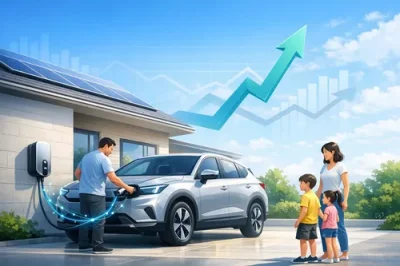


Loans for Cars: Finding the Best Financing Options
The cost of buying a car is a major financial commitment, so it's important to consider all of your options before making a purchase. In this article, we look at some of the pros and cons of the most common car financing options, including leasing, hire purchase and paying cash, and what difference it makes whether you are buying a new or used vehicle. - read more

How Secured Car Loans Work in Australia
A secured car loan uses the vehicle as security for the finance. This guide explains what that means in Australia, how PPSR registration works, how secured loans differ from unsecured loans, and the risks borrowers should understand before applying. - read more

The Pros and Cons of Refinancing Your Car Loan
Car loan refinancing involves taking out a new loan to pay off an existing car loan. This can be done with the same lender or a different one. The primary goal is often to secure better interest rates, alter the loan term, or reduce monthly payments. - read more

Common Car Loan Pitfalls and How to Steer Clear of Them
Buying a car is a significant financial decision, and for many Australians, this means taking out a car loan. - read more

Loans for Cars: Getting an Even Better Deal
If you're in the market for a new car, you're probably wondering what you need to do to get the best car loan. It's no secret that the car dealership will try to sell you a loan, but you don't have to take their offer! In fact, you can get a much better loan if you know what you're doing. - read more

10 Common Mistakes Australians Make When Financing Their Car
Car financing has become increasingly popular among Australians for a variety of reasons. For many, it offers the opportunity to own a vehicle without having to pay the entire purchase price upfront. - read more

Self-Employed and Low Doc Car Loans in Australia: Eligibility and Documentation
Self-employed Australians may be able to apply for a car loan without standard payslips, but a low doc car loan still requires evidence that income is reliable and repayments are affordable. This guide explains how low documentation vehicle finance works, what alternative income documents may be accepted, and what trade-offs borrowers should consider. - read more

The 42% drop for plug-in hybrids after the FBT change says a lot about how much these incentives actually drive decisions, not just interest. I’d be curious how many people would still go EV if charging reliability outside the major cities doesn’t improve soon.